
The Workday 2025 R1 update reached Production tenants on March 15, 2025. It is now a historical release, but organizations may still have setup-required features, deferred decisions, regression defects, or adoption work connected to that release.
This guide shows how to review 2025 R1 after production, confirm what changed in your tenant, close outstanding actions, and use the evidence to strengthen future Workday release cycles.
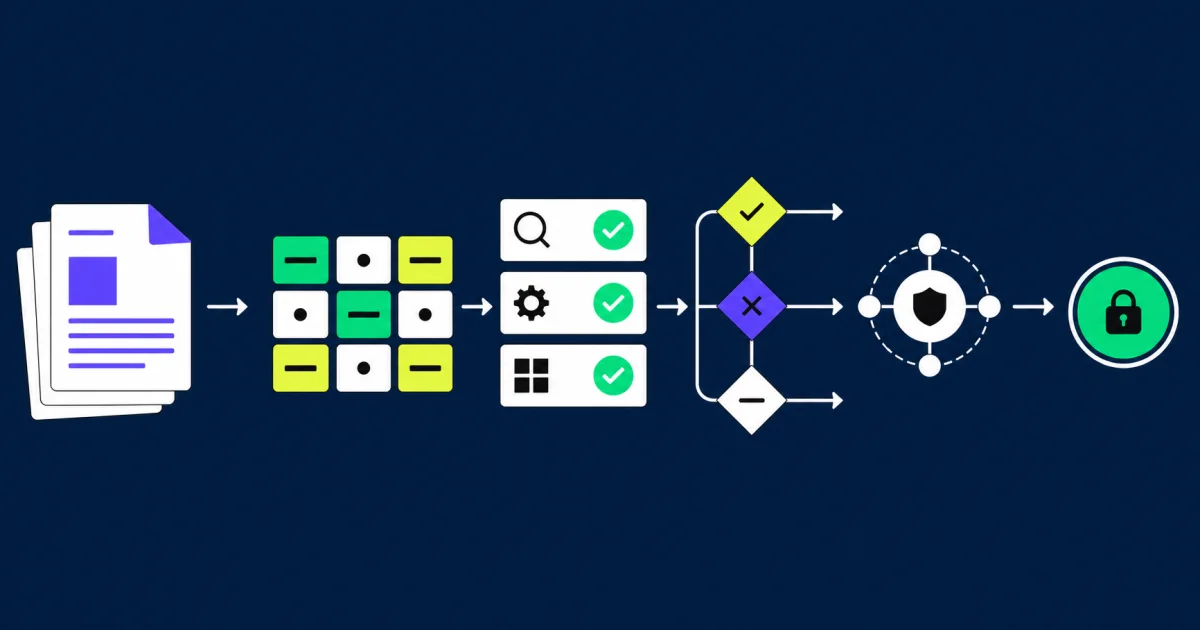
Place the Workday 2025 R1 update in context
Workday’s Release Center reference identifies March 15, 2025 as the 2025 R1 Production date. Workday’s Spring 2025 announcement described more than 350 features and updates across talent, user experience, finance, workforce management, and other areas.
That announcement does not tell a customer which changes affected its tenant. Products, configuration, enabled features, integrations, security, and business processes differ. Use the tenant and official release notes as the evidence source.
Reconstruct the release record
Collect the artifacts the release team used before and during 2025 R1:
- Release-note inventory and impact assessments
- Product-owner decisions
- Automatically available and setup-required classifications
- Configuration and migration records
- Test plans, results, and defects
- Security and integration reviews
- Communications and training
- Production approvals and launch notes
- Hypercare incidents and open follow-up work
If records are incomplete, rebuild the inventory from the Release Center, What’s New in Workday report exports, configuration history, support tickets, project files, and change logs. Assign one owner to reconcile the evidence.
Separate release facts from internal assumptions
Record the release-note URL, product area, delivery date, tenant impact, required action, and test guidance for each relevant item. Keep internal interpretation in separate fields. This prevents a summary presentation from becoming the only source for a technical decision.
Use current Workday release sources
Workday’s Release Center consolidates feature, fix, coming-soon, and retirement notes. It supports product and product-area filters and an XLS download for further analysis.
For the historical review, filter by the 2025 R1 release label and relevant products. Check each note’s change log because Workday may update, correct, or clarify release content after the original publication.
Use the What’s New in Workday report when tenant teams need feature information organized by functional area or want to manage adoption through Workday tools. The Release Center should remain the authoritative source for the note details and later updates.
Confirm what reached the tenant
Review each relevant item against the Production tenant. Identify whether Workday delivered the behavior automatically, whether the organization completed setup, and whether a later release changed or retired it.
Classify each item:
- Operating as delivered and accepted
- Enabled through configuration and in active use
- Enabled but underused or misunderstood
- Deferred with an approved reason
- No longer relevant to the tenant
- Replaced or changed by a later release
- Producing an unresolved defect or control gap
Attach evidence such as configuration screenshots, task results, reports, security checks, test records, usage data, or a later release note. Do not mark an item complete because the release window closed.
Prioritize business-critical processes
Start the retrospective with processes where failure affects pay, financial reporting, security, compliance, integrations, or high-volume employee work. A low-visibility change can still alter a calculation, API response, report field, or approval route.
Review:
- Payroll and time processing
- Financial close and accounting
- Benefits and absence
- Recruiting and worker lifecycle events
- Compensation and talent processes
- Security administration and audit evidence
- Integrations, reports, and document generation
- Mobile and manager self-service
Use process owners to confirm the operational result. Technical teams may see a successful transaction while users experience additional corrections or manual work.
Revisit automatically available changes
Automatically available features can change behavior without an enablement project. Review the final release note, compare old and new behavior where records exist, and confirm that training, reports, security, and support documentation reflect the delivered experience.
Check support tickets and user feedback from the months after 2025 R1. Repeated questions, workarounds, or corrections may point to an adoption gap rather than a system defect.
Review deferred setup-required features
A deferred feature needs a current decision. The original reason may no longer apply, or a later release may have changed the capability.
For each deferred item, document:
- User or business need
- Current manual process or limitation
- Configuration and integration dependencies
- Security and data implications
- Testing and training effort
- Expected operational result
- Product owner and decision date
- Enable, continue to defer, or retire decision
Do not enable a historical feature only to close a tracker. Enable it when an accountable owner can explain the need and support the resulting process.
Run focused regression tests
Use incidents, later configuration changes, and critical-process knowledge to select regression cases. Test the current tenant state rather than attempting to recreate the 2025 Preview tenant.
- Complete high-risk business processes from initiation to downstream result
- Test security as representative users
- Validate reports and calculated fields
- Reconcile integration inputs and outputs
- Inspect generated documents and notifications
- Test mobile or high-volume experiences where relevant
- Confirm error handling and operational recovery
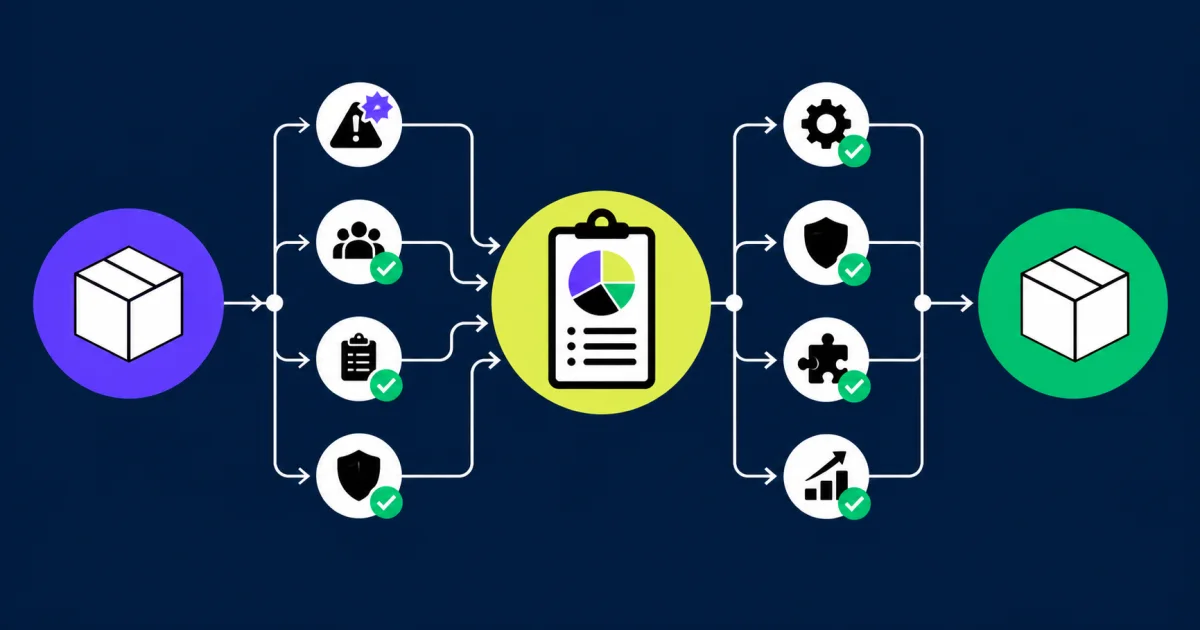
Record the configuration and data used for each result. A passing test should provide evidence that the current process works, not a claim that nothing changed after 2025 R1.
Audit integrations and reporting dependencies
Release impact can surface in an integration or report long after production when a field, validation, security policy, or business process changes. Review interfaces and reports connected to the affected product areas.
Check:
- Data source and report-field availability
- API and web-service behavior
- File layouts and transformation logic
- Integration-system-user access
- Calculated fields and condition rules
- Schedule dependencies and time zones
- Reconciliation controls and error queues
- Downstream consumer assumptions
Use the EVOCS Workday reporting guide to review report ownership and the Workday EIB integration guide for file-based interface controls.
Review security changes and access
Compare release-related configuration with the current security model. Confirm that new tasks, reports, domains, integrations, or data fields have the intended access and that temporary project access has been removed.
Test privileged and everyday roles. Review segregation of duties, integration accounts, authentication controls, audit reports, and administrator activity for any affected area.
Measure adoption with process evidence
Feature enablement is not adoption. Use evidence that shows whether people use the capability and whether the process improved.
Relevant measures can include:
- Eligible users who completed the new task
- Time or steps required for the process
- Corrections, exceptions, and support requests
- Manual work removed or introduced
- Completion and approval delays
- Data-quality or integration errors
- User abandonment or return to an older method
Establish a baseline when one exists and avoid invented ROI. A feature can be worth retaining because it improves control, accessibility, or auditability even when the organization cannot assign a dollar value.
Close defects and control gaps
Connect each unresolved issue to a problem statement, owner, business impact, workaround, target release, and validation plan. Separate configuration defects from training, data, integration, and policy issues.
Prioritize gaps that affect critical processing, security, regulatory evidence, or recurring manual correction. Put lower-risk improvements into the normal product backlog with an explicit decision.
Capture the 2025 R1 lessons
Hold a retrospective with product owners, HRIS or finance systems, security, integrations, testing, change management, and support. Compare the release plan with what happened in Production.
Discuss:
- Which impacts the team identified early
- Which issues appeared only after production
- Which tests found useful defects
- Where ownership or decisions were late
- Which communications reduced support demand
- Which trackers or meetings created little value
- Which artifacts should become reusable standards
Turn each lesson into a named change to the release process. “Start earlier” has little value without a date, owner, and deliverable.
Build the next release cycle from the evidence
Workday publishes major R1 and R2 releases in March and September and continues to publish weekly features, fixes, and retirements. Release management should therefore operate throughout the year.
Use the 2025 R1 retrospective to improve:
- Product and process ownership
- Release-note filtering and triage
- Risk and impact scoring
- Regression libraries
- Security and integration review
- Decision and approval records
- Communications and training
- Hypercare and defect follow-up
- Adoption measurement
The EVOCS Workday release-management guide provides a reusable operating model for current and future releases. The related Workday 2025 R1 highlights article can support a functional review of the historical release.
Questions about the Workday 2025 R1 update
Is 2025 R1 still relevant?
Yes, when the tenant still contains deferred features, open defects, undocumented configuration, or adoption gaps linked to the release. Check later release notes before acting on an old decision.
Should every deferred feature be enabled?
No. Reassess the user need, current product behavior, dependencies, ownership, and expected outcome. Record a new decision.
Where should teams find historical release information?
Use Workday’s Release Center and tenant reports. Filter by release label and product area, then review change logs and later updates.
Which tests should teams run first?
Start with payroll, financial close, security, integrations, compliance, and high-volume worker or manager processes affected by relevant notes.
Turn a historical release into a stronger control
The Workday 2025 R1 update should no longer sit in an open spreadsheet or an outdated feature summary. Reconcile what reached the tenant, close decisions and defects, retain evidence, and use the lessons to improve current release work.
EVOCS helps teams assess release impact, test critical processes, and establish a sustainable Workday release practice. If historical release decisions remain unclear in your tenant, schedule a strategy conversation.