
Cloud-Based HR Technology: Trends and Selection Guide
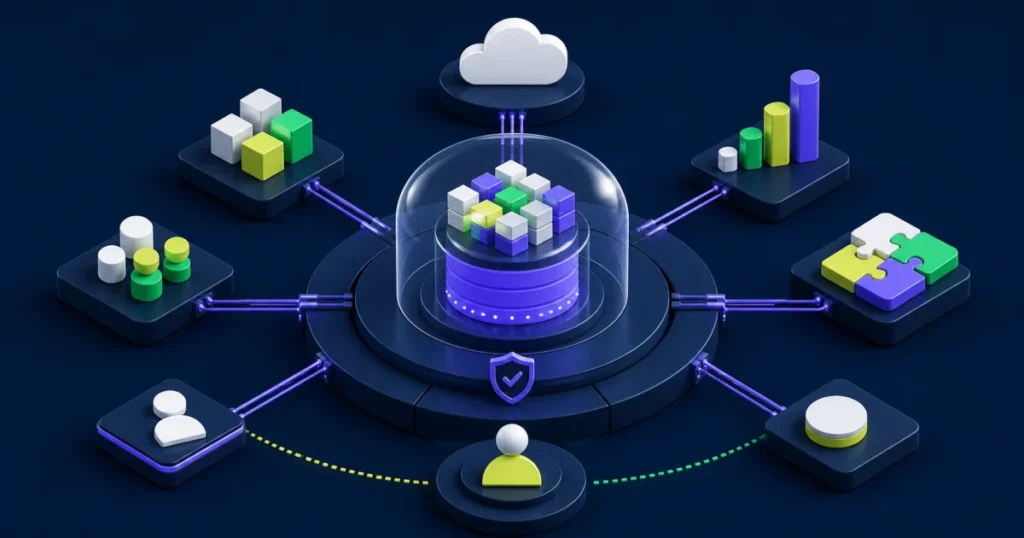
Evaluate cloud-based HR technology through business outcomes, employee experience, integrations, data governance, security, vendor fit, and total cost.
Workday EIB: Design, Testing, and Operations Guide

Workday EIB gives teams a guided way to move data into or out of Workday without building a custom integration. The tool can handle many scheduled extracts, bulk loads, and straightforward file exchanges. Its form-based setup reduces coding, but the work still requires sound decisions about data, security, validation, ownership, and support. A reliable Workday […]
Workday Docs: Template Design and Governance Guide
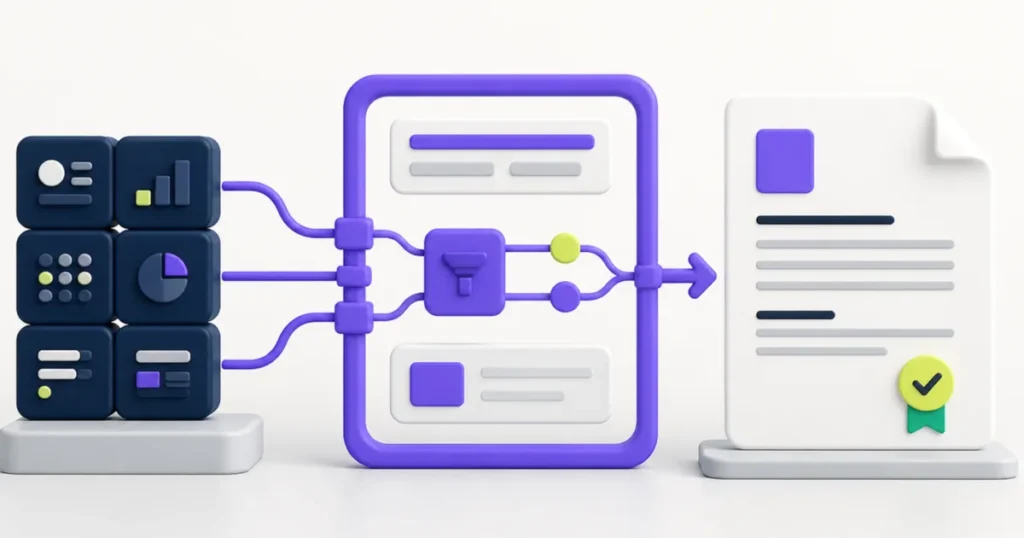
Workday Docs helps administrators create document templates that use Workday data inside supported business processes. Teams often use it for offers, employment agreements, onboarding documents, and other worker communications. The tool can reduce manual document assembly, but the quality of the result still depends on template ownership, data rules, security, testing, and release controls. A […]
Workday Dashboards: KPI Design and Governance Guide
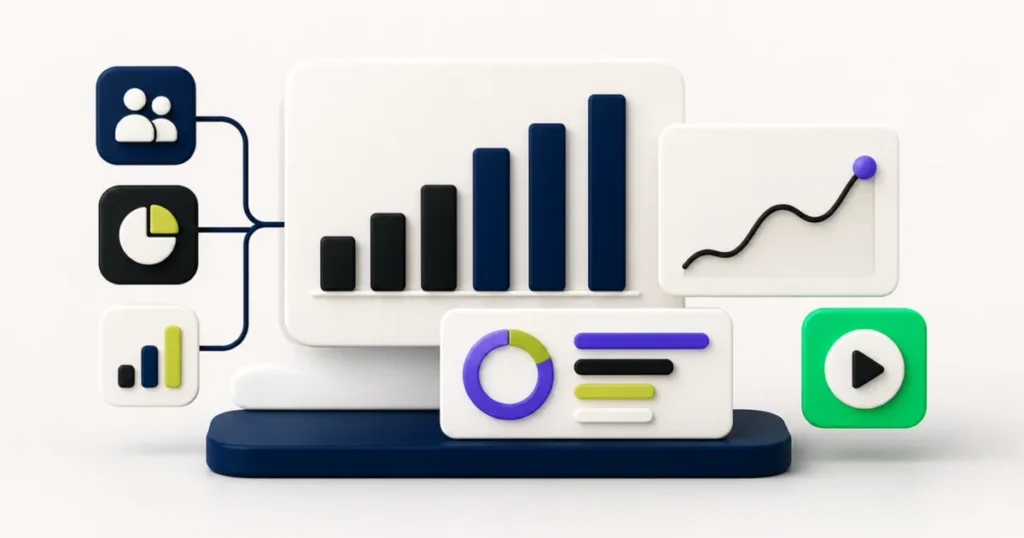
Workday dashboards can put the reports, tasks, and measures a team uses in one place. That convenience helps when each dashboard supports a defined audience and decision. A page filled with charts may look complete while leaving managers unsure which result needs attention or who should act. A useful dashboard starts with the operating question, […]
Workday Core Connectors: A Practical Integration Guide
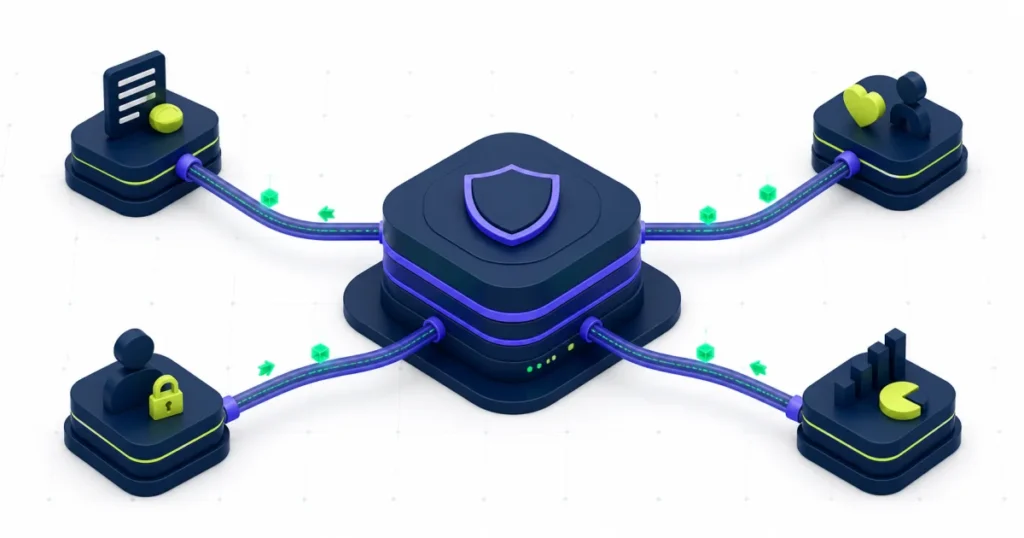
Workday Core Connectors provide a supported way to exchange data between Workday and external systems. This guide covers selection, configuration, testing, security, and monitoring.
Workday Business Process Framework: Practical Guide
Use the Workday business process framework to design clear approvals, security, conditions, notifications, exception paths, testing, and process ownership.
Workday Payroll Integrations: Controls and Testing Guide

Strengthen Workday payroll integrations with clear ownership, secure transfers, reconciliation, exception handling, regression testing, and audit evidence.
Workday Release Management: Process & Best Practices

Workday release management is the operating process your team uses to review platform changes, assess tenant impact, test affected business processes, make adoption decisions, and support users after production updates. It connects Workday administrators with HR, Finance, IT, security, integration owners, and business process owners so each change has a clear decision and an accountable […]
Workday Worksheets: Live Data, Security, and Governance

Workday Worksheets gives analysts a spreadsheet-style workspace inside Workday for modeling, analysis, and collaboration. A workbook can combine formulas, charts, pivot tables, user-entered assumptions, and data from eligible Workday reports. The result can support compensation analysis, reconciliations, forecasts, and operational reviews without moving the entire task into a separate spreadsheet tool. The familiar grid can […]
Workday Authentication: Cloud Security Control Guide
Strengthen Workday authentication with single sign-on, multifactor authentication, role design, lifecycle controls, monitoring, testing, and audit evidence.